

Cost Drivers in Developing a New Line of Custom Coffee Mugs or Travel Tumblers
Launching a custom coffee mug or travel tumbler line involves balancing creativity, quality, and budget. Understanding cost drivers is key to optimizing investments while delivering standout products. Below, we break down the core factors influencing costs, with insights from Leno Drinkware’s expertise in custom drinkware manufacturing.
1. Design & Prototyping
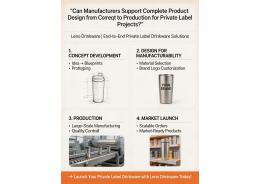
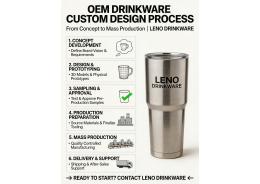
The design phase sets the foundation for your product—but it also introduces costs. Custom Artwork & Engineering: Unique logos, patterns, or 3D designs require graphic design or CAD work, especially for complex shapes (e.g., ergonomic tumblers or double-walled mugs). Prototyping: Creating physical samples (3D-printed or handcrafted) to test functionality, aesthetics, and durability adds expenses. Leno Drinkware streamlines prototyping with in-house design support, reducing iterations and costs for clients.
2. Materials Selection
Material choice dictates quality, durability, and price:
- Stainless Steel: Premium for travel tumblers (insulated, rust-resistant) but higher cost than plastic/ceramic.
- Ceramic/Stoneware: Ideal for coffee mugs, offering a classic look but requiring careful handling in production.
- Plastic (BPA-Free): Budget-friendly for high-volume orders, suitable for casual tumblers.
- Specialty Materials: Bamboo, glass, or recycled materials add sustainability appeal but may increase costs due to sourcing or processing.
3. Production Volume & Minimum Order Quantities (MOQ)
Production scale is a major cost driver:
- Economies of Scale: Larger orders reduce per-unit costs (e.g., a 5,000-unit run lowers costs vs. 500 units, as setup fees are spread across more products).
- MOQ Requirements: Manufacturers like Leno Drinkware set MOQs (e.g., 100–500 units for custom tumblers) to justify production setup. Lower MOQs offer flexibility but higher per-unit costs.
4. Customization Techniques
How you personalize products impacts costs:
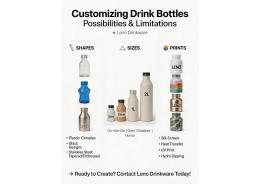
- Printing (Screen, Digital, Sublimation): Screen printing is cost-effective for large runs; digital/sublimation suits complex, full-color designs but costs more per unit.
- Engraving/Etching: Adds a premium, permanent look (ideal for stainless steel) but requires specialized equipment, increasing costs.
- Embossing/Decals: 3D effects or decorative decals enhance aesthetics but add labor or material costs.
5. Supply Chain & Logistics
From sourcing to delivery, logistics influence costs:
- Raw Material Sourcing: Global supply chain issues (e.g., steel shortages) or premium material sourcing (e.g., recycled glass) can drive up costs.
- Manufacturing Location: Domestic production offers faster lead times but higher labor costs; overseas (e.g., Asia) is cheaper but may add shipping/import fees.
- Shipping & Fulfillment: Bulk shipping reduces per-unit costs, while small-batch or expedited shipping increases expenses. Leno Drinkware’s logistics network optimizes freight for cost and speed.
6. Quality Control & Compliance
Ensuring safety and quality adds costs but avoids risks:
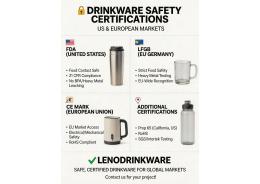
- Testing & Certifications: Food-safe materials (e.g., BPA-free plastics, lead-free ceramics) require testing, especially for international markets (e.g., FDA, EU compliance).
- Quality Assurance: In-house QC (like Leno Drinkware’s rigorous checks) reduces defect rates but adds labor/equipment costs. However, it minimizes rework or returns, saving long-term costs.
7. Marketing & Branding (Post-Production)
Bringing products to market also impacts budgets:
- Photography & Branding: High-quality product shots, packaging design, and marketing materials (e.g., social media ads) build brand appeal but add costs.
- Distribution & Retail: Wholesale, direct-to-consumer, or e-commerce channels have different cost structures (e.g., retail markups vs. DTC shipping).
Conclusion: Optimizing Costs with Expertise
Developing custom coffee mugs or travel tumblers requires balancing these cost drivers. Partnering with a seasoned manufacturer like Leno Drinkware provides:
- Access to bulk material pricing and efficient production workflows.
- Guidance on MOQs, customization, and materials to align with your budget and brand vision.
- Streamlined supply chain and QC to minimize hidden costs.

 English
 German
 French
 Russian
 Spanish
 Japanese
 Korean
 Khmer
 Portuguese
 Ukrainian
 Arabic
 Italian
 Afrikaans
 Albanian
 Armenian


