

1. E-Commerce Explosion: TikTok and Social Commerce Lead the Way
Social commerce is transformative. In the Philippines, TikTok sold 304,900 vacuum flasks in 30 days for local brand Hilee (₱74.59M GMV). Short-form videos (1,400+ with 9,700 avg views) and live streams (546) drive sales, appealing to the 60%+ young population.
Brands using TikTok/Shopee to showcase functionality and host themed live streams (e.g., back-to-school) thrive. Online convenience and promotions match consumers’ price sensitivity and desire for hassle-free shopping.
2. Cooling Over Heating: A Regional Preference Shift
Tropical climates shift demand to cold retention. China’s CIVAGO (Philippines/Thailand market leader, $12M annual GMV) focuses on 24-hour cold insulation—critical for storing iced drinks locally.
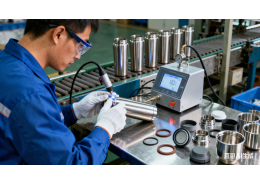
CIVAGO uses 99.8% vacuum rate (copper-plated) and food-grade 316 stainless steel. Its lineup (13oz ceramic-lined cups, wide-mouth bottles) targets commutes/gyms, securing top market share via cooling-first localization.
3. Aesthetic and Affordability: The Dual Drivers of Purchase
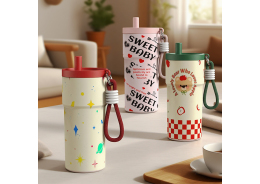
Style matters: Hilee’s 64 colors/sizes cater to youth; CIVAGO offers gradients/neutrals/patterns (Filipinos prefer subtle, Malaysians bold).
Affordability is key. Hilee’s best-seller is ₱283.89 (≈37 RMB); CIVAGO balances premium quality with accessibility—consumers value "value-for-money" products.
4. Sustainability and Growth: The Future of the Market
The Asia Pacific reusable bottle market (including vacuum flasks) will hit $5.196B by 2030 (5.1% CAGR 2025-2030). Sustainability drives growth—brands using BPA-free/recyclable materials gain an edge.
Future opportunities lie in smart features (temp sensors) and cultural localization. With e-commerce and young consumers growing, the industry will sustain growth.

 English
 German
 French
 Russian
 Spanish
 Japanese
 Korean
 Khmer
 Portuguese
 Ukrainian
 Arabic
 Italian
 Afrikaans
 Albanian
 Armenian


