

Emerging Trends in Material Innovation for Insulated Bottles and Drinkware
In recent years, the drinkware industry has been rapidly evolving with new material innovations aimed at improving functionality, sustainability, and overall user experience. Insulated bottles and drinkware manufacturers are exploring technologies and materials that not only enhance performance but also align with increasing consumer demand for eco-friendly products.
1. Stainless Steel with Enhanced Coatings
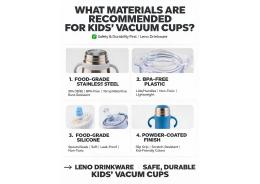
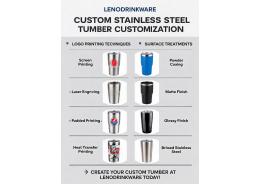
Stainless steel remains the most popular material for insulated drinkware due to its durability, thermal performance, and non-reactive qualities. However, manufacturers are now applying advanced coatings to stainless steel surfaces to improve grip, scratch resistance, and aesthetic appeal. Powder coating, for instance, is gaining traction for its ability to provide both style and a tactile feel.
2. Bio-Based Plastic Alternatives
With growing concerns about plastic pollution, many companies are shifting toward bio-based plastics derived from renewable resources such as corn starch or sugarcane. These materials offer comparable durability and flexibility to traditional petroleum-based plastics but with a significantly lower environmental impact.
3. Ceramic Inner Linings for Taste Purity
An emerging trend in insulated drinkware is the use of ceramic inner linings. These linings prevent stainless steel from interfering with the taste of beverages, ensuring a pure drinking experience. Ceramic-lined bottles are especially popular among coffee and tea enthusiasts who are sensitive to flavor changes.
4. Recycled and Upcycled Materials
In the push towards sustainability, many brands are incorporating recycled materials into their drinkware designs. From recycled stainless steel to upcycled ocean plastics, there is a strong movement toward reducing waste while creating high-performance products.
5. Vacuum Insulation Technology Refinements
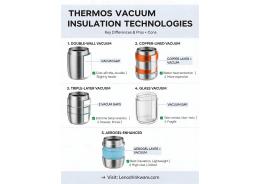
Vacuum insulation remains the cornerstone of temperature retention in insulated drinkware. Recent innovations focus on making this technology more efficient by optimizing wall thickness and material density, allowing bottles to retain heat or cold for longer periods without increasing their weight.
6. Smart Material Integration
Some brands are experimenting with integrating sensors and smart materials into bottles to monitor temperature, hydration levels, and more. Smart lids paired with innovative materials are paving the way for connected drinkware designed for tech-savvy consumers.
Conclusion
Material innovation is reshaping the insulated bottles and drinkware landscape. By prioritizing sustainability, enhanced functionality, and aesthetic appeal, manufacturers like LENO Drinkware are leading the charge in this evolving market. Consumers can look forward to exciting advancements in the coming years that cater to everyday convenience while protecting the planet.

 English
 German
 French
 Russian
 Spanish
 Japanese
 Korean
 Khmer
 Portuguese
 Ukrainian
 Arabic
 Italian
 Afrikaans
 Albanian
 Armenian


